 20
Jun,2026
20
Jun,2026
When Google announced it was expanding its parental control suite to every device running Android 17, it wasn’t just a software update—it was a signal that the tech giant is finally treating child safety as a core operating system feature rather than an afterthought. The announcement, made on a Tuesday, reveals that parents can now access unified tools directly within the system settings, marking a significant shift from the fragmented experience of previous years.
Here’s the thing: for too long, managing your kid’s screen time felt like playing whack-a-mole. You’d set a limit in one app, only to find they were gaming in another. With this new rollout, Google is attempting to close those loopholes by embedding controls deeper into the OS itself.
A Unified Dashboard for Digital Peace of Mind
The biggest change? Simplicity. According to reports from CNET, owners of Google Pixel devices and other supported hardware will find a dedicated "Parental Controls" option tucked inside the standard Settings menu. No more hunting through obscure submenus or relying solely on third-party apps.
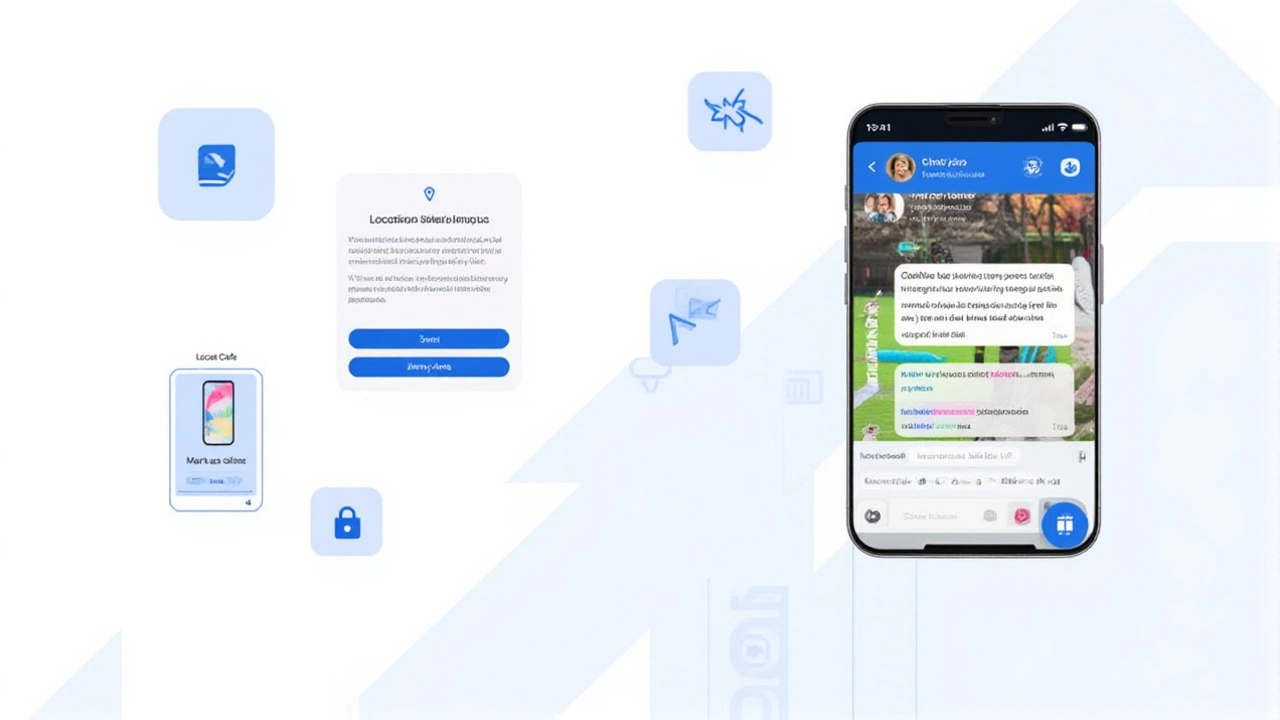
This new interface acts as a central hub. It brings together built-in on-device controls with the more robust features of Google Family Link. And yes, it’s protected by a PIN—because let’s be honest, kids are clever.
But wait, there’s more. The updated dashboard allows parents to:
- Set overall screen time limits for the entire device.
- Create downtime schedules (perfect for enforcing bedtime without the nightly arguments).
- Block specific apps entirely or set strict time limits for individual ones.
- Filter out mature content from browsers like Google Chrome and search results.
It’s a clean, intuitive approach. If you’ve ever tried to explain to a seven-year-old why they can’t watch YouTube at 10 PM, you know how valuable automated enforcement is.
Beyond Basic Limits: The Play Store Factor
Screen time is only half the battle. What your kids download matters just as much. That’s where the new restrictions on the Google Play Store come into play.
Parents can now apply filters that automatically exclude apps rated for adults. You can choose to display only apps deemed appropriate for "all ages" or "teenagers." This isn’t just about blocking games; it’s about curating the digital environment. Think of it as a bouncer for your child’s phone, checking IDs before letting any app in.
Interestingly, Android 17 also introduces a new widget that lets users block certain applications with a single tap. While designed for quick access, this could also serve as a handy tool for parents who want to temporarily lock down a device during dinner or homework time.
Family Link vs. Built-In Controls: What’s the Difference?
If you’re already using Google Family Link, you might wonder if this changes anything. Turns out, it complements it. The built-in controls handle the basics: time limits, downtime, and content filtering. But for families needing more granular oversight, Family Link remains the powerhouse.
With Family Link, you get additional capabilities like:
- School time modes that restrict usage during class hours.
- App purchase approvals, so no surprise $50 in-game purchases appear on your credit card.
- Location alerts to keep track of where your teen is.
Google emphasizes that switching between the simple built-in controls and the full Family Link service is seamless. This flexibility is crucial for households with multiple children of different ages. Your toddler needs heavy-handed blocking; your teenager needs gentle nudges toward better habits.
The Industry Context: Apple Joins the Fight
Google isn’t acting alone here. This move places them squarely in step with competitors like Apple, which has been rolling out its own enhanced child safety features across iOS and iPadOS. Both companies are responding to growing pressure from parents, educators, and regulators to make digital spaces safer for minors.
Industry analysts note that this trend reflects a broader acknowledgment: technology firms have a responsibility to mitigate the harms of excessive screen time and exposure to inappropriate content. By integrating these tools directly into the operating system, both Google and Apple are making safety features harder to bypass and easier to use.
However, the details are still unclear regarding exactly when these features will reach all devices. Currently, the updates are available in beta on a subset of supported devices. A full rollout to all Android 17-compatible phones is expected later this year.
What’s Next for Parents?
For now, if you have a compatible device, you can opt into the beta program. Check your Settings menu for the new "Parental Controls" entry. If you don’t see it yet, don’t panic—it’s coming soon.
In the meantime, experts recommend reviewing your current family media plan. Even with these new tools, technology is only part of the solution. Open conversations about online behavior remain essential. As one digital wellbeing advocate put it, "Tools help enforce boundaries, but trust builds them."
Frequently Asked Questions
Which devices support the new Android 17 parental controls?
Currently, the new parental controls are available in beta on a subset of devices running Android 17. This includes recent Google Pixel smartphones and other flagship devices from manufacturers like Samsung and OnePlus that have adopted the latest OS version. Google plans to expand availability to all Android 17-compatible devices later this year.
Do I need Google Family Link to use these new features?
No, you don’t. The new built-in controls are integrated directly into the Android Settings menu and work independently of the Family Link app. However, if you need advanced features like location tracking or school-time modes, you’ll still want to use Google Family Link alongside these basic controls.
Can my child bypass these parental controls easily?
These controls are significantly harder to bypass than previous methods because they are embedded in the operating system itself. They are protected by a PIN, and features like downtime schedules and app blocks operate at the system level, meaning most apps cannot override them. However, no system is foolproof, so regular check-ins with your child are still recommended.
How does this compare to Apple's new safety features?
Both Google and Apple are enhancing their platforms to give parents more control over screen time, app downloads, and content filtering. While the interfaces differ, the core goals are similar: reduce exposure to harmful content and manage usage time. Apple’s features are integrated into Screen Time on iOS, while Google’s are now centralized in Android Settings.
When will the full rollout happen?
Google has not specified an exact date for the universal rollout, but sources indicate that the expanded parental controls will be available to all devices running Android 17 later this year. Beta testers can access the features now on select devices.